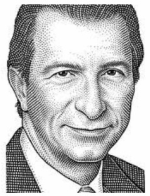
George Rebane
[This is the transcript of my regular KVMR commentary broadcast on 14 February 2018.]
Yesterday afternoon Jo Ann and I were in the packed supervisors’ chamber at the Rood Center. The supes were there to discuss the new county cannabis ordinance and give guidance to the county staff about what they wanted to see in the finished product. The entire affair was presided over by Supervisor Scofield who is the current board chair. The meeting began with a presentation by Community Development Agency head Sean Powers in which he outlined a bit of history, the state’s current and evolving cannabis regulations, and what our own Community Advisory Group had recommended.
The gathering opened in a very orderly, businesslike, yet congenial manner. Supervisor Scofield then allowed about 30 minutes of additional public input, even though this was not a public hearing. Then the supes started their first real discussion among themselves about the ordinance. The Brown Act prevents elected officials from discussing and deciding public affairs in private. So the exchange that followed was interesting to witness as each supervisor asked questions of the staff and began expressing their own druthers about the complex details that the ordinance must contain and also make clear to our newly legalized cannabis industry and concerned citizens alike.
The dimensions of the ordinance quickly revealed themselves to be byzantine as each layer of important factors was examined and peeled back. The main points of contention were the nuisance of cannabis stench in residential neighborhoods vs the desire to allow legal, regulated, and taxed cannabis grows. If the ordinance were to come out too draconian, then the growers and producers would return to their illegal ways, and we would be back where we started.
Also important to note is that all these deliberations are taking place within the current political environment in which 18 California counties are also writing their ordinances, while the rest are preparing to do so, and in which everyone is attempting to resolve the same conundrums. The factors that need to be sorted out involve existing zoning laws, parcel sizes, numbers of permitted indoor vs outdoor plants, setbacks from property lines in the attempt to staunch the stench, and on and on. Our cannabis proponents want Nevada County to lead the way with our ordinance, a tactic that is not without its own chuckholes.
It soon became clear which supervisors were more concerned about abating the nuisance issues, and who leaned more toward the cannabis growers. Actually, only Supervisor Heidi Hall, representing District #1 that contains Nevada City, found herself alone advocating for more plants grown outside on smaller parcels with smaller setbacks from the neighbors. Supervisors Miller, Anderson, Scofield and Weston all leaned toward smaller grows of only medicinal marijuana on larger parcels zoned for agriculture and having larger setbacks. Nevertheless, all of them also understood that the growers needed some reasonable slack so that their commercial interests would also be served.
The overall discussion was most civil, with a lot of understanding of each others’ concerns that at times was even leavened with humor. My only criticism about the process was with Sean Powers’ preparation – he didn’t make enough slides that were needed to give everyone, including us in the audience, the definitions, charts, and data that would have made things go more smoothly with fewer repeated questions and misunderstandings that had to be cleared up. More specific details about the Supervisors’ guidance and next steps in the drafting process, that would include additional public input, can be found in the online (here) and print editions of today’s Union newspaper.
We came away from the meeting in good spirits, having witnessed how local government can work in a reasoned and reasonable manner to consider difficult issues with divers advocates, and proceed visibly with an even-handed approach to making public policy. In recent years I have become pessimistic about the outcome of our Founders’ legacy that left us the Great Experiment, which is based on the question, ‘Can common man govern himself?’ Witnessing our Board of Supervisors at work gave us new hope that maybe, just maybe, we could actually do that in today’s hyper-polarized America.
My name is Rebane, and I also expand on this and related themes on Rebane’s Ruminations where the transcript of this commentary is posted with relevant links, and where such issues are debated extensively. However, my views are not necessarily shared by KVMR. Thank you for listening.