

George Rebane
Watching the news we were reminded that 20% of post-op patients are back in the hospital within 6 months at a marginal annual cost of almost $100B nationwide. It is one of the biggest components in the expense of healthcare. And we know that hospitals are very dangerous places for your health – medical mistakes kill over 100K patients annually.
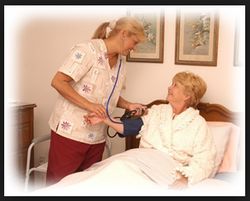 So it occurred to me that a promising alternative to recuperating in the hospital would be to recuperate at home, a place that is usually much more free of all those drug resistant bugs comfortably ensconced in our hospitals. Today, the desperate loved ones of patients essentially park themselves bedside in the hospitals to monitor what the staff and docs do and shouldn’t do. The stories of the mistakes they catch are hair raising. In addition, their being there provides much more attentive care to the patient who can otherwise go into early stages of starvation, bedsores,dehydration, over/under/mis medication, … when waiting for a response from a nurse.
My solution is to bring the patient home and set him up in his own bedroom or house where a loved one is already in residence. Bring all the electronic monitoring equipment along, and wire him up like in the hospital. It doesn’t take much to add a smart (and tomorrow even smarter) box that communicates the whole myriad of readings to the hospital staff at the nurse’s station, and also to the cell phone of the home caregiver. This is the caregiver who now doesn’t have to drive to the hospital, stay there interminably, and try to get some sleep in a chair.
Besides the psychological benefits to the patient, the savings in such a set up would be enormous. The caregiver can be taught fairly quickly to do almost all of the routine maintenance of the patient, including administering certain drugs and procedures under the direction of healthcare professionals at the hospital or the attending physician’s office (recall that we have video monitoring now). When some combination of patient signs triggers an alert, the professional can contact the at-home caregiver to instruct him what should be done. And, of course, if the situation is beyond the ken or capability of the caregiver, then a professional can be dispatched or the patient brought in. But that is a low probability event over the aggregate population of such recoveries.
Yes, there is always the chance that something can happen to the patient that requires the full facilities of a hospital’s emergency response capability, but again look at the probabilities. No doubt some patients will die if this policy is implemented nationwide. But I submit that the attendant morbidity and mortality rates of this approach will be insignificantly different from those encountered in hospital recoveries. And none of this home care will take place without the full permission of the patient or his responsible agent.
However, such enlightened approaches to healthcare will make a difference only when the informed patient (or agent) is allocating his own healthcare dollar. The perception of spending other people’s money in any medical undertaking will only continue the insane policies of today’s government mangled healthcare markets that promise to become more so as Obamacare increases its cold embrace of the nation’s ill and infirm in the coming months.


Leave a comment