

George Rebane
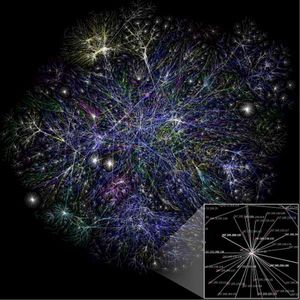 Today it is very difficult to reconfigure networks because you have to deal with hardwired components like routers, switches, and servers which have been manufactured by network suppliers like Cisco and Juniper to handle the stream of data packets in their own specific ways. Modifying a network is a nightmare of hardware reconfiguration and clumsy/limited system programming. Today network hardware operators are a highly paid group of technicians doing such things that few people understand.
The response to this growing friction in developing new networks with expanded capabilities comes from a Silicon Valley company called Nicira. The company is built on the technology out of the 2007 PhD dissertation of its CTO Martin Casado. Dr Casado invented a better way to ‘program networks’ on existing or cobbled together cheaper hardware. These new architectures will be virtual networks operating virtual servers and using virtual storage on arbitrary and/or existing hardware configurations within an enterprise or out in the internet cloud.
The big deal is that the virtual networks – their configuration and operation – are totally under software control, and that means they can be quickly reconfigured (on the fly); and with even more smarts built in, they can reconfigure themselves to improve performance, be more facile in managing data, and interfacing with all kinds of other systems on the periphery of the network. The online Wired has a good article on all this here. Nicira is already working with some very big outfits in implementing this next phase of network technology.
To me the excitement here is that such reprogrammable virtual networks take us a giant step closer to what I believe is the most likely candidate for the Singularity event that I have described before in these pages. And that is when the cloud spontaneously ‘wakes up’ and becomes sentient. Dynamic reprogramming of networks to implement new processing algorithms, new data handling techniques, and whole new computing paradigms (mimicking human brain structures?) is a required capability for this event to happen. Virtualizing networks will hasten the day when it says, ‘I’m here.’

 rebanesruminations.com
Leave a comment