

George Rebane
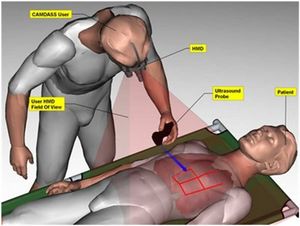 The European Space Agency is working on a medical AI called CAMDASS (Computer Assisted Medical Diagnosis and Surgery System). It has a unique augmented reality user interface (UI) that would allow future astronauts to diagnose and treat complex medical cases when they are in space, and especially when they are at distances that prevent facile realtime communication with Earth. ‘Augmented reality promises astronauts instant medical knowhow’ describes the approach and status of the program.
When we examine the state of such technology developments in medicine, the immediate question that comes to mind is ‘why can’t similar programs be in the works to provide medical expertise to lay caregivers here on Earth?’ And if you happen to be knowledgeable in the progress of AI and the relevant UI technologies, then the question is ‘why was such capability not available to us at the launch of the WWW?’
Such systems could have been made available in literally thousands of local clinics all over the world, most certainly in homes at the retail level in developed countries. Over these years, the functionality of these systems could have been delivered online or through offline client-based implementations. These systems could save literally billions of dollars in medical costs annually by supporting a more distributed, rapid, and broad-based delivery of medical knowledge and intervention procedures applied by people with limited, little, or no medical training.
And here I may have answered my own questions. The billions going into established pockets in the medical industry and their legal beagles would then go elsewhere. And that’s a no-no-no. At this point the soft-hearted and soft-headed will leap in and start telling us that ‘a lay or lesser person who is not a physician can not be allowed to assume such heavy responsibility in a possible life/death matter, besides it would be the equivalent of practicing medicine without a license.’
My response to all that warbling and flutter is ‘Stuff and nonsense!’ (A more civil retort than a direct ‘Bullshit!’) The systems could be designed for various types of medical incidents, levels of operator expertise, and connectivity to online professionals. The main thing is that the use of such low cost intervention would seriously cut the money gusher to the healthcare industry at almost no increase to patient risk. We must remember that hospitals kill about 100,000 patients a year through accidents, ineptness, and incompetence, and many physicians are woefully out of date. Also, with governments mangling the healthcare markets, fewer people are studying to become poorly paid healthcare workers.
Again, all that is required is that our tort code be revised, and the medical unions defanged – a no small undertaking. The CAMDASS technology is out there to make the delivery of such medical care available, and the entrepreneurial resources are cocked and ready to launch the needed enterprises to develop, market, and maintain these systems. Such systems would totally restructure the delivery of healthcare at all levels. But in order to hang on to the billions and the bureaucrats, today Big Brother says, ‘No!’

 rebanesruminations.com
Leave a comment