

Tom McClintock
[On the floor of the House our Congressman delivered an indictment of the current environmental radicalism that is part and parcel of the forces destroying California. This article summarizes his speech. It is printed with permission. gjr]
This generation is facing spiraling electricity prices and increasingly scarce supplies. Californians have had to cut back to the point that their per capita electricity consumption is now lower than that of Guam, Luxembourg and Aruba.
What is the administration’s solution?
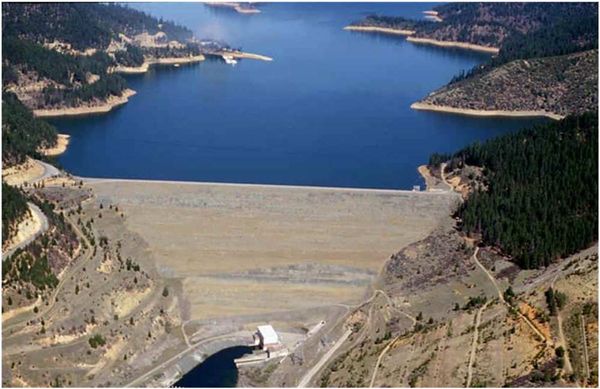
Interior Secretary Ken Salazar announced yesterday that the administration is moving forward with a plan to destroy four perfectly good hydroelectric dams on the Klamath River capable of producing 155,000 megawatts of the cleanest and cheapest electricity on the planet – enough for 155,000 homes.
Why would the administration pursue such a ludicrous policy?
They say it’s is necessary to help increase the salmon population. We did that a long time ago by building the Iron Gate Fish Hatchery. The Iron Gate Fish Hatchery produces five million salmon smolts each year – 17,000 of which return annually as fully grown adults to spawn. The problem is, they don’t include them in the population count!
And to add insult to insanity, when they tear down the Iron Gate Dam, we will lose the Iron Gate Fish Hatchery and the five million salmon smolts it produces every year.
Declining salmon runs are not unique to the Klamath. We have seen them up and down the Northwest Pacific Coast over the last ten years as the result of the naturally occurring Pacific Decadal Oscillation – cold water currents that fluctuate over a ten year cycle between the Pacific Northwest and Alaska. During the same decade that salmon runs have declined in the Pacific Northwest, they have exploded in Alaska. We’re at the end of that cycle.
The cost of this madness is currently pegged at a staggering $290 million – all at the expense of ratepayers and taxpayers. But that’s just the cost of removing the dams. Consumers will face permanently higher prices for replacement power, which, we’re told, will be wind and solar.
Not only are wind and solar some three times more expensive, but wind and solar require equal amounts of reliable stand-by power – which is precisely what the dams provide.
We’re told that yes, this is expensive, but it will cost less than retro-fitting the dams to meet cost-prohibitive environmental requirements. If that is the case, then maybe we should re-think those requirements, not squander more than a quarter billion dollars to destroy existing hydro-electric dams. Or here’s a modest suggestion to address the salmon population: count the hatchery fish!
We’re told this is the result of a local agreement between farmers and other stakeholders. Mr. Speaker, everybody knows that the Klamath Agreement was the result of local farmers succumbing to extortion by environmental groups that threatened lawsuits to shut off their water. And obviously the so-called stakeholders don’t include the ratepayers and taxpayers who would pay dearly for the loss of these dams. Indeed, local voters have repeatedly and overwhelmingly repudiated the agreement and the politicians responsible it. The locally-elected Siskiyou Board of Supervisors vigorously opposes it.


Leave a comment