

George Rebane
Ad losses have put the “newspaper industry into a tailspin”, so reports the Denver Post. More than 30 newspapers are on currently on the block, notably including The Rocky Mountain News. Major newspapers like the Washington Post are expected to cease their print editions in the near future, reverting to online news delivery and the printing of occasional feature magazines. The problem is shrinking readership and ad revenues exacerbated by the current economic downturn. In the past, newspapers have recovered the ad revenues when things got better, but today the internet is nipping away and many of the advertisers are not expected to return. This is an ongoing story. A fortunate sidelight is that small town newspapers are not yet feeling the full effects of this ads flight. This may explain the ever hopeful reports from the management about the health of our beloved Onion. Tough times.
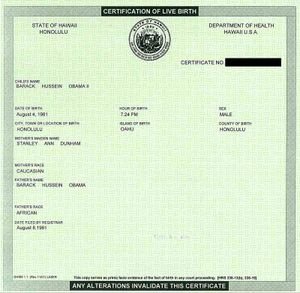 A correspondent reminded me that today is the day the Supreme Court will hear the suit claiming that Obama does not have the constitutional qualification of native birth to become President. This has been an interesting non-news item for the liberal MSM, but the blogosphere has kept the issue alive with reports, analyses, and even forensic investigations of the mysterious birth certificate that the state of Hawaii refuses to release for examination. Here are stories posted by the Los Angeles Times and the Chicago Tribune in their online editions. And here is a most interesting YouTube video by an image expert (Dr. Ron Polarik) who has received death threats for developing evidence that the birth certificate copy released by the Obama campaign is a forgery. BTW, people have also claimed that McCain would be similarly unqualified because he was born in the (Panama) Canal Zone. They are ignorant of the special legal status of the Canal Zone and similar legislation that also covers children born overseas to American citizens in the service of their country (e.g. military personnel and diplomats).
Why did FDR’s civilian government programs fail to get us out of the Depression, yet the military spending on WW2 is credited with restarting our economy? Correspondent and RR commenter Wade asks this thoughtful and important question (here) which in part reads
However, that leaves my “question” unanswered. The revisionists all seem to agree that the war (big, centralized, tax-and-deficit-fueled government spending) turned the economy around while the New Deal itself (big, centralized, tax-and-deficit-fueled government spending) was horrible. Can anyone reconcile this for me? I truly don’t understand it as a coherent point of view…
Wade is an information systems professional who works for a large southwestern city government. He is also an intellectual, well-read, and amazingly, in spite of my best efforts to date, a devoted and entrenched liberal. Wade’s “revisionists” are to him academics whose post hoc studies of the Depression have knocked some of the burnish from the visage of Saint Delano.
The short but incomplete answer to his question is that government work programs (e.g. to build/refurbish bridges and roads) executed within a country are of a fundamentally different kind than government programs to wage a global war the results of which are perceived to determine the survival of the nation. Waging a war in which a major part of the country’s and the world’s labor force was destroyed, along with its infrastructure (save in the US), was an altogether different economic event that brought forth altruistic human sacrifices for subsequent wealth creation that the peacetime building of dams and aqueducts just doesn’t inspire (in spite of the heroic propaganda films put out by the Soviets and our own NRA in the 1930s). A more complete answer to the effects of different government ‘stimulus’ programs may be found in Hazlitt’s classic Economics in One Lesson, and, of course, Bastiat’s The Law. But, perhaps, other RR readers can weigh in on Wade’s question which, I suspect, is on the minds of many today.


Leave a Reply